CV

Abhijit Das

echo $EMAIL

cat about.txt

I am a PhD student in Machine Learning at MBZUAI in Abu Dhabi and co-founder & CTO of MedOS. My research connects scientific foundation models, autonomous discovery, and trustworthy AI for personalized medicine.

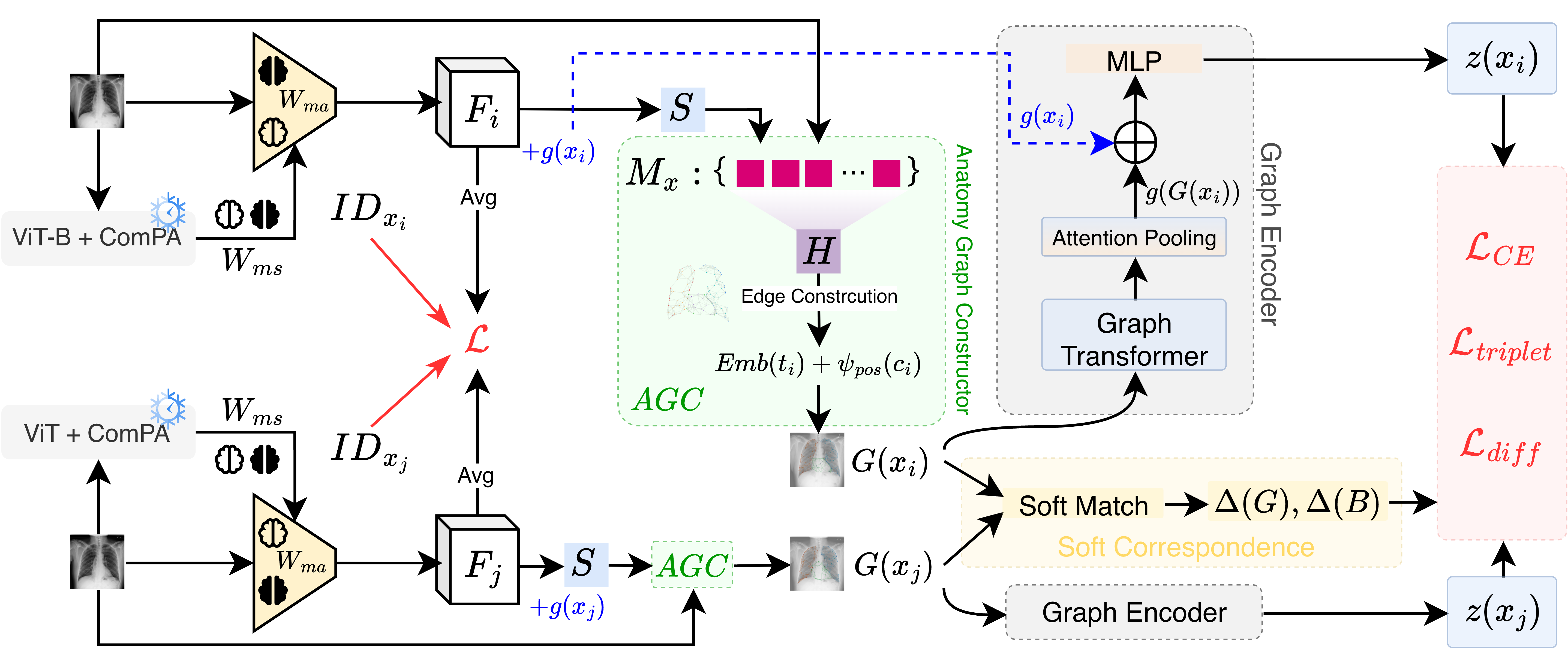
I work on multimodal learning and world models for science, with an interest in agents that propose, test, and refine scientific hypotheses. I study alignment, interpretability, and uncertainty-aware learning, as well as efficient inference and model distillation.

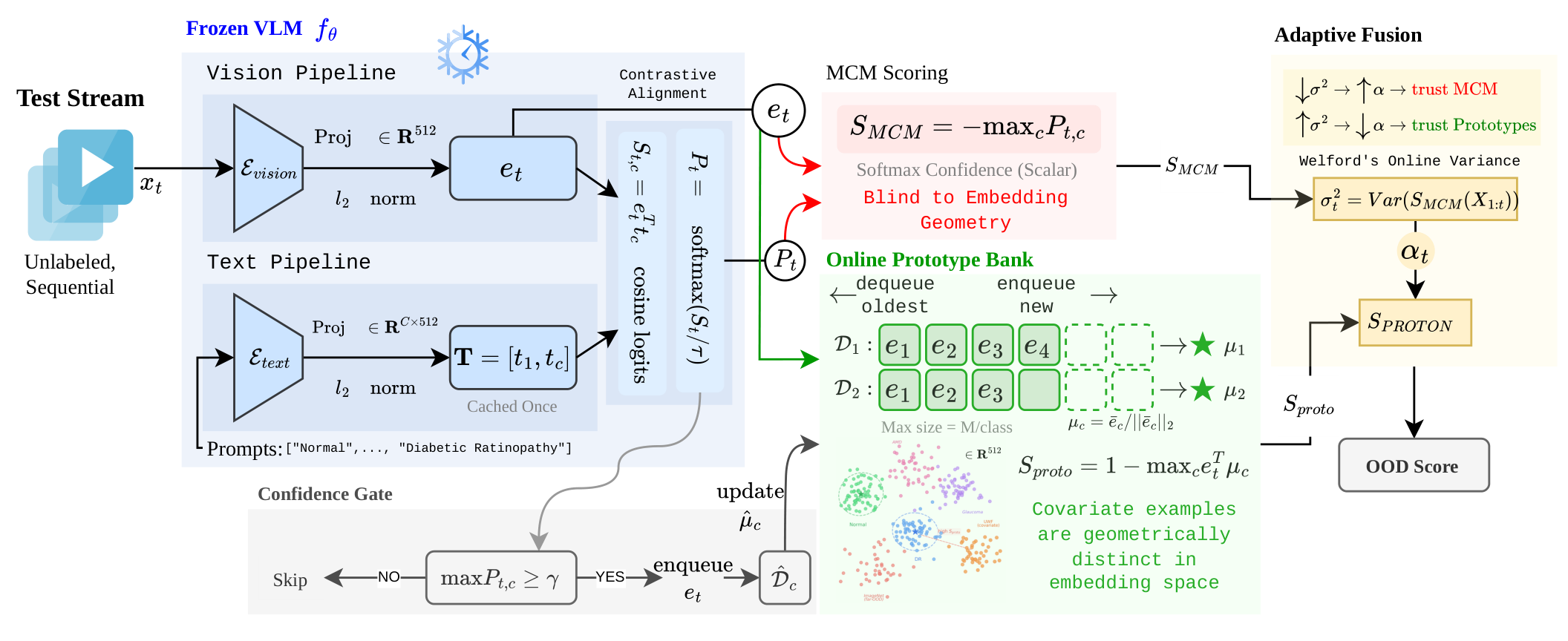
My recent work explores multimodal medical image analysis, out-of-distribution detection, anatomy-structured representations, and optimization and generalization. I also build open-source tools, including BibCheck for Overleaf.

Abhijit Das

tail -f news.log

ls research/

I am interested in scientific foundation models, trustworthy medical AI, autonomous discovery, and efficient intelligence. My work spans multimodal learning, uncertainty estimation, medical image analysis, and the foundations of optimization. Recent papers are highlighted.

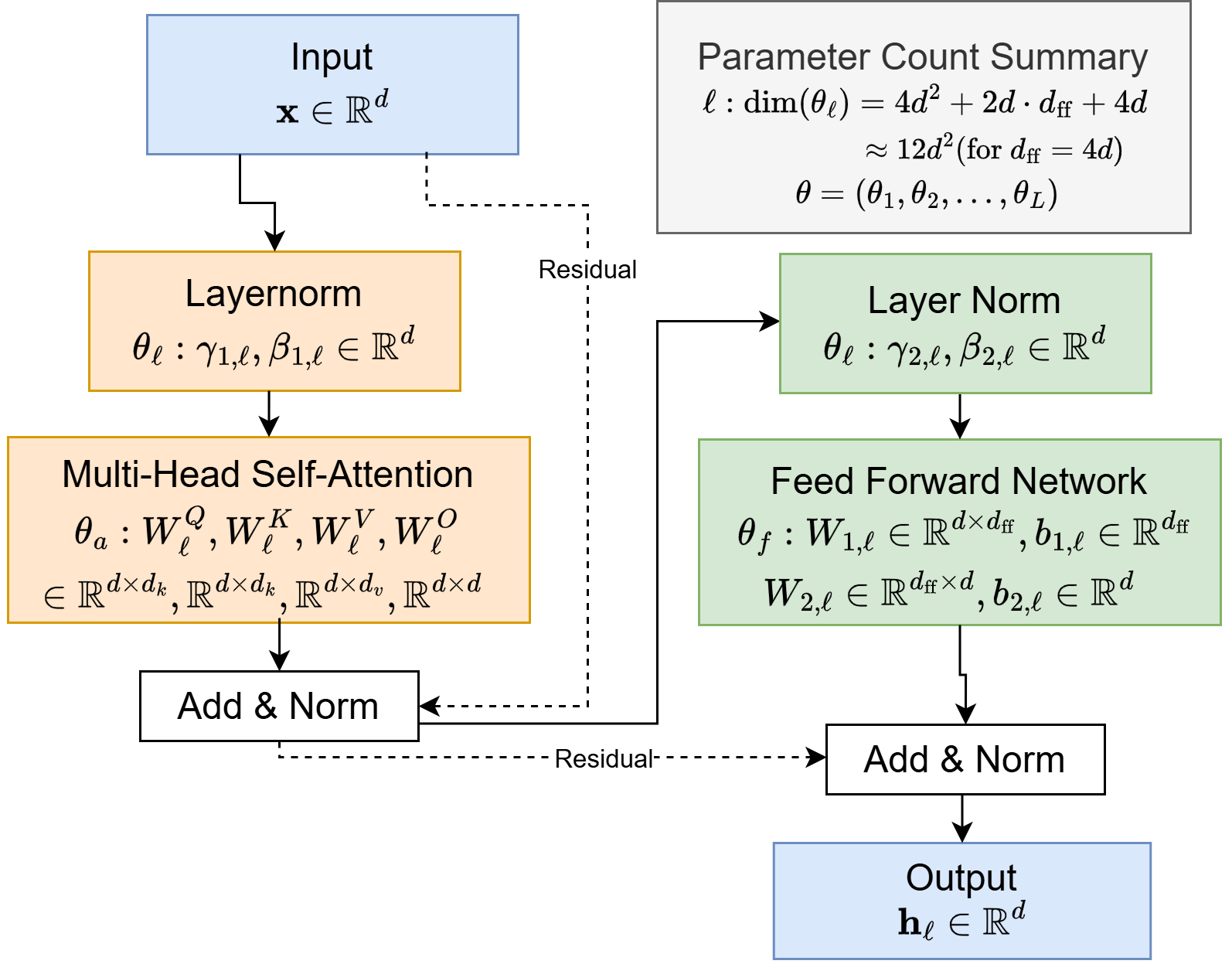
A Transformer block with residual connections and annotated attention, normalization and feed-forward parameter groups.

Weight-Decay Turns Transformer Loss Landscapes Villani: Functional-Analytic Foundations for Optimization and Generalization

Abhijit Das, Sayantan Dutta

Preprint 2026
paper / figure / full size

A functional-analytic study of Transformer objectives with weight decay, investigating coercive loss geometry, convergence of noisy optimization, and generalization bounds.

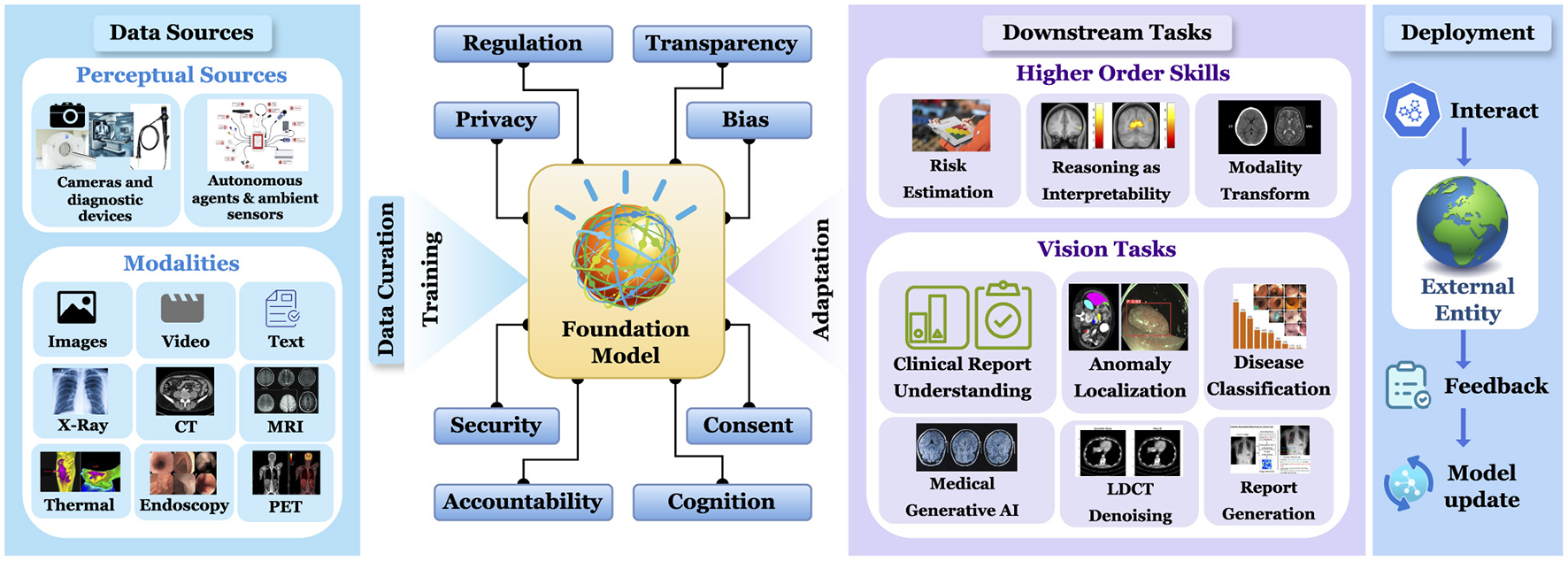
Data sources, model training, ethical considerations, downstream medical tasks and deployment in a foundation-model workflow.

Ethical Framework for Responsible Foundational Models in Medical Imaging

Debesh Jha, Gorkem Durak, Abhijit Das, Jasmer Sanjotra, Onkar Susladkar, Suramyaa Sarkar, Ashish Rauniyar, et al.

Frontiers in Medicine 2025
paper / figure / full size

An ethical framework for medical imaging foundation models, discussing transparency, fairness, privacy, accountability, and responsible deployment.

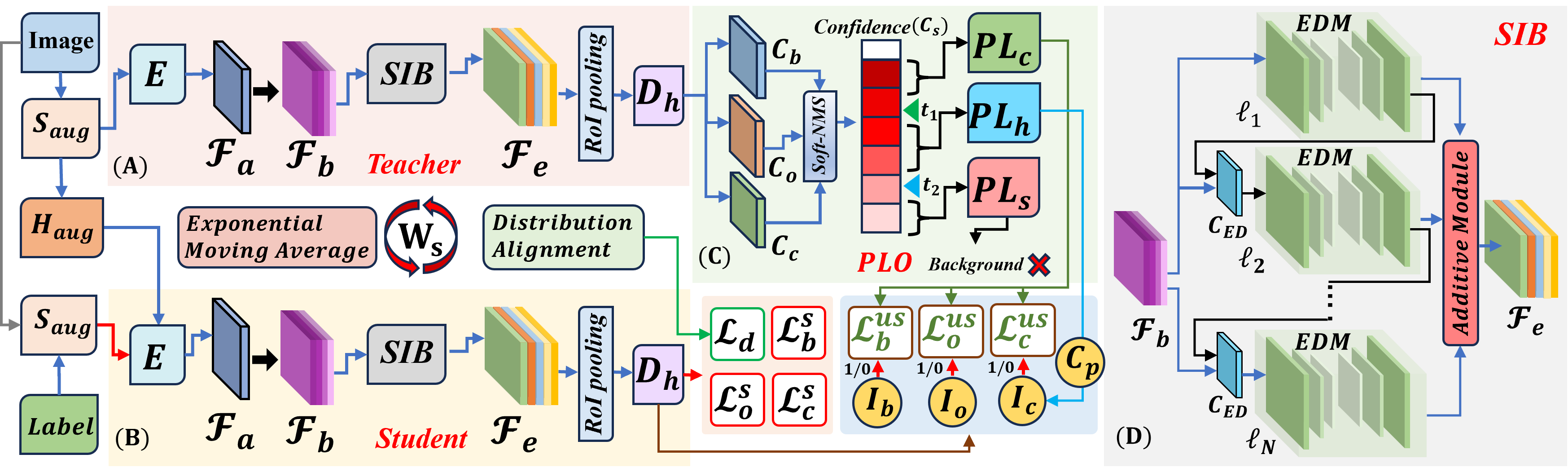
Teacher-student learning, the scale-invariant bottleneck and confidence-guided pseudo-label optimization in AnoMed.

Confidence-guided Semi-supervised Learning for Generalized Lesion Localization in X-ray Images

Abhijit Das, Vandan Gorade, Komal Kumar, Snehashis Chakraborty, Dwarikanath Mahapatra, Sudipta Roy

MICCAI 2024
paper / code / figure / full size

A semi-supervised approach to lesion localization in X-ray images, using confidence-aware pseudo-labeling to learn from labeled and unlabeled examples.

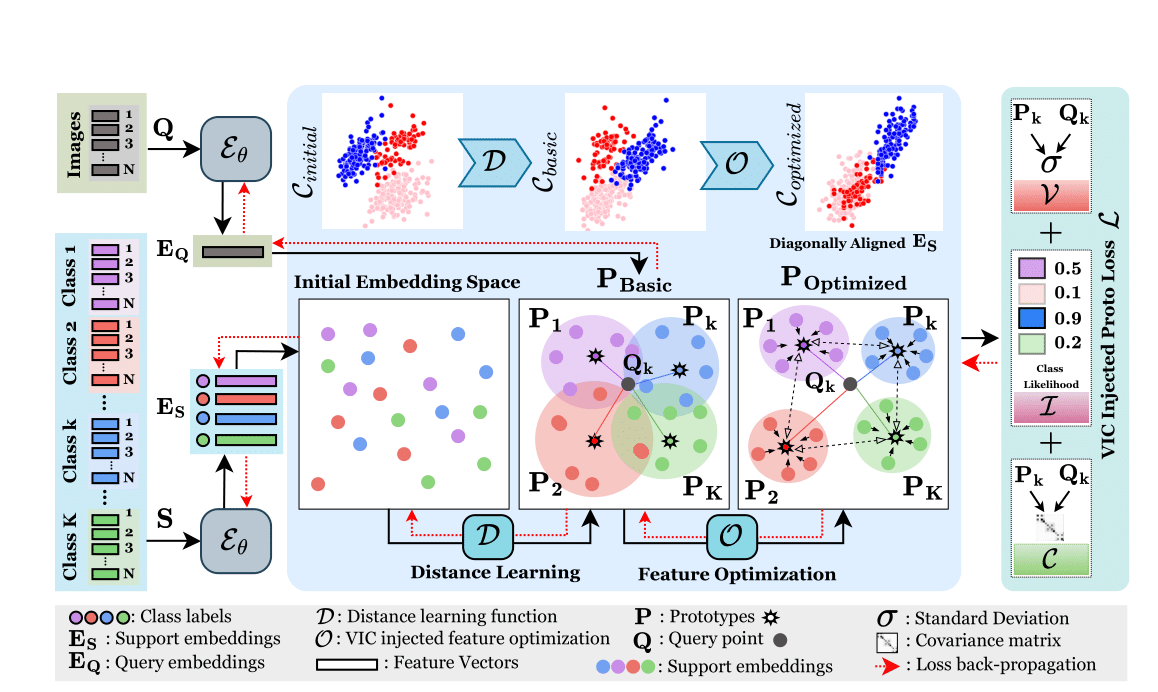
Support and query embeddings pass through distance learning and feature optimization with variance, invariance and covariance regularization.

ProFONet: Prototypical Feature Space Optimized Network for Few-shot Classification

Abhijit Das, Vandan Gorade, Debesh Jha, Koushik Biswas, Pethuru Raj, Ulas Bagci

ICPR 2024
paper / code / figure / full size

ProFONet optimizes prototypical representations for few-shot classification using variance, invariance, and covariance regularization to improve class separation.

A CT denoising encoder-decoder joins spatial and spectral residual units across skip connections.

SEANet: Rethinking Skip-Connections Design in Encoder-Decoder Networks via Synergistic Spatial-Spectral Fusion for LDCT Denoising

Abhijit Das, Vandan Gorade, Dwarikanath Mahapatra, Sudipta Roy

ICPR 2024
paper / code / figure / full size

SEANet studies skip connections that combine spatial and spectral information in encoder-decoder networks for low-dose CT denoising.

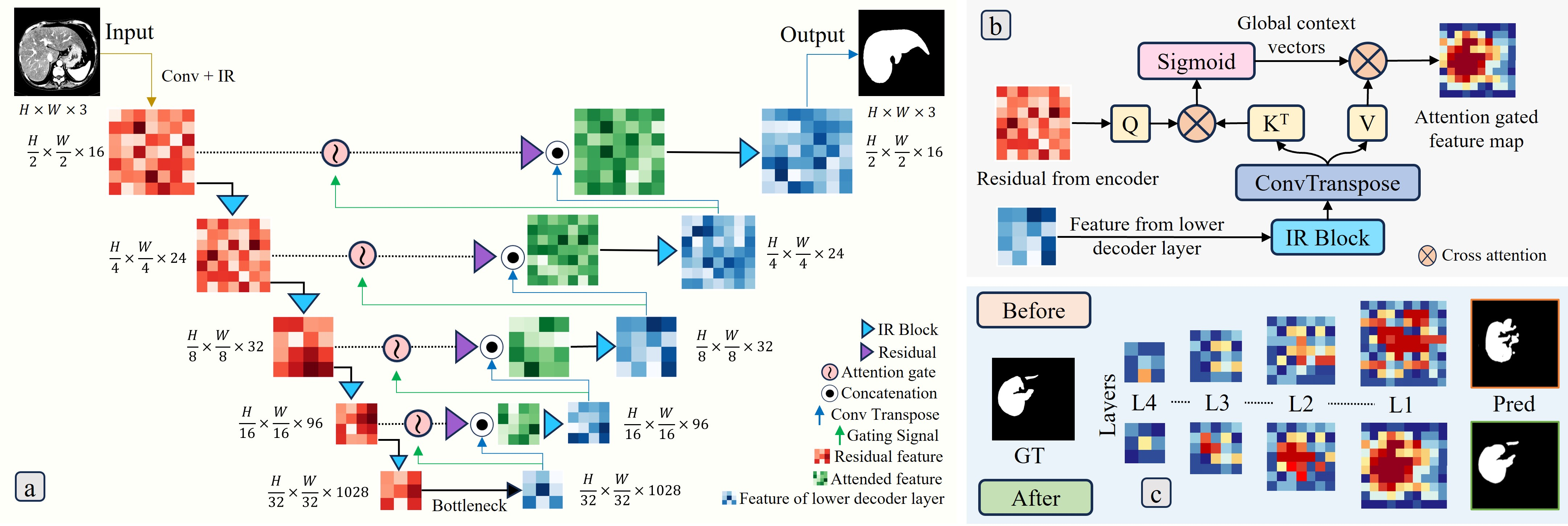
PAM-UNet encoder-decoder architecture, progressive attention gate and feature maps before and after attention.

PAM-UNet: Shifting Attention on Region of Interest in Medical Images

Abhijit Das, Debesh Jha, Vandan Gorade, Koushik Biswas, Hongyi Pan, Zheyuan Zhang, Daniela P. Ladner, Yury Velichko, Amir Borhani, Ulas Bagci

IEEE EMBC 2024
paper / figure / full size

PAM-UNet uses progressive attention to focus on regions of interest in medical image segmentation.

Feature aggregation, channel and spatial attention, multi-scale detection and an example detected polyp.

Enhancing Colonoscopy Outcomes with DAPoDet-based AI for Real-time Sessile Serrated Polyp Detection

Abhijit Das, Debesh Jha, Nikhil Tomar, Neethi Dasu, Mark Geissler, Dayang Wang, Mena Bakhit, Kirti Dasu, Tyler Berzin, Ulas Bagci

DDW · Conference abstract 2024
paper / figure / full size

A DDW conference abstract investigating real-time AI-assisted detection of sessile serrated polyps in colonoscopy video.

ls side_quests/

Rotating tesseractSixteen vertices and thirty-two edges of a four-dimensional cube, projected through three dimensions onto the screen.

A different perspective

A rotating four-dimensional cube, projected into three dimensions. An interactive experiment in geometry.

  • BibCheck for Overleaf — Reference verification with source-backed corrections.
  • ProFONet — Few-shot classification with optimized prototypical representations.

cat contact.txt

For research collaborations and opportunities: abhijit.das@mbzuai.ac.ae.